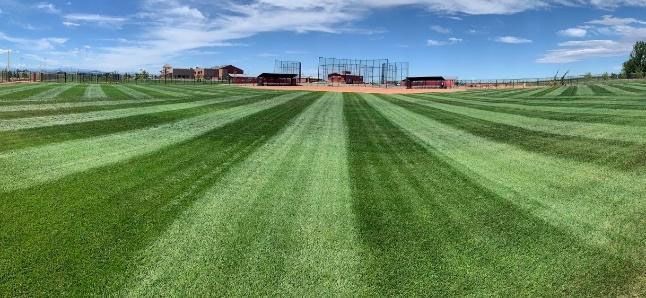
Everyone wants thick green sports fields, but water is limited and expensive, labor is your biggest expensive, fertilizer and chemicals are sky high, and your budget is limited.
How do you do it in today’s economy?
It’s simple to do, and we are helping many struggling sports fields with small budgets and no hope.
The Solution is, you automate and use better low-cost products.
Automate
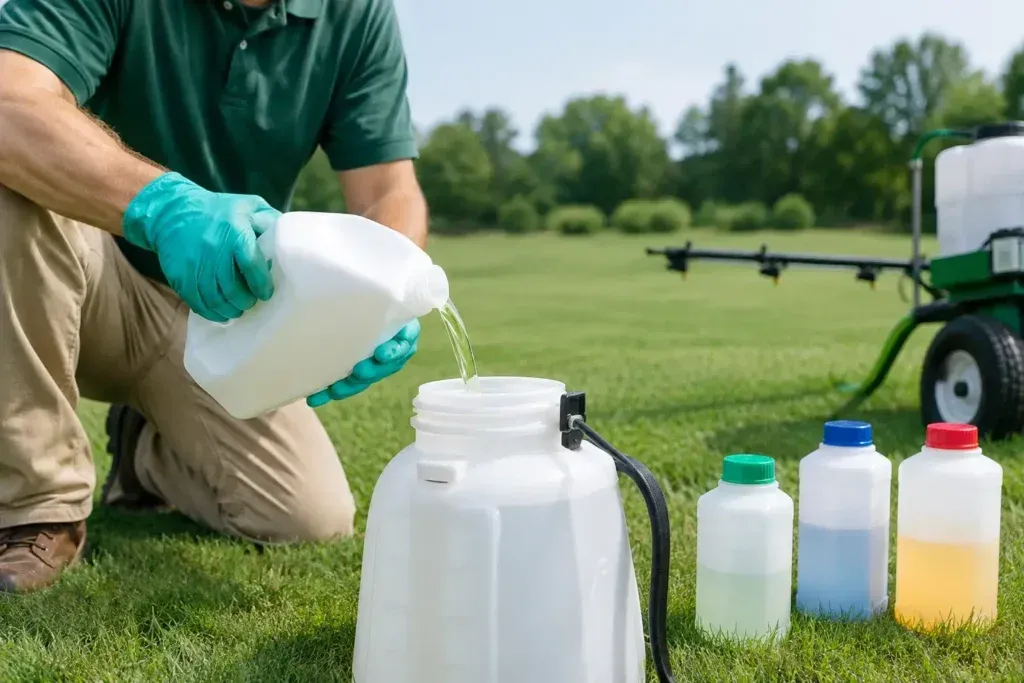
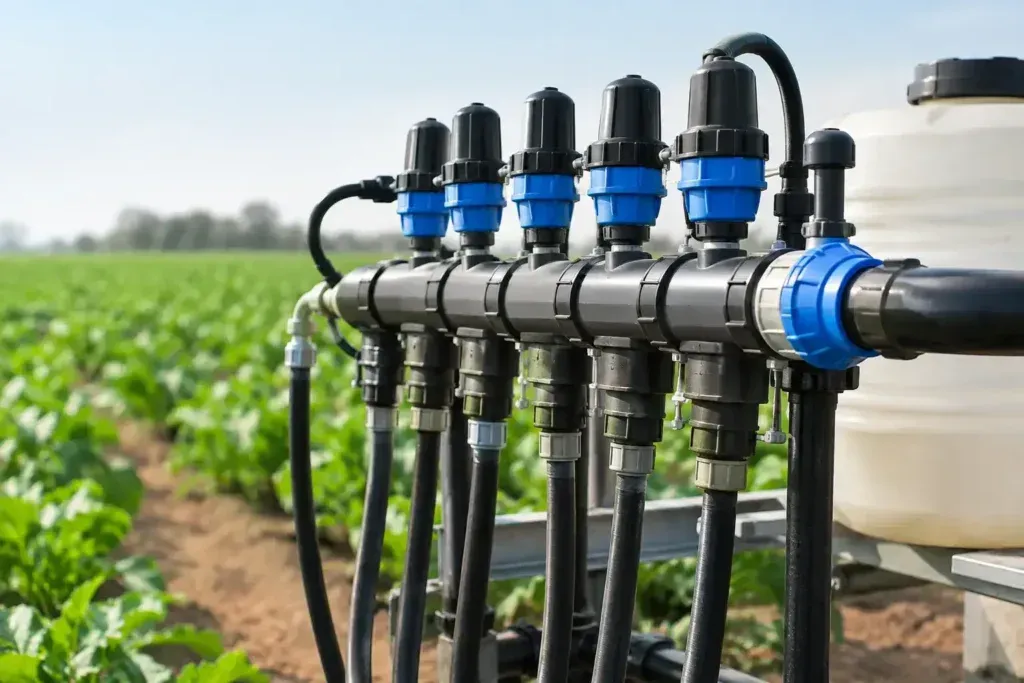
You have an automatic irrigation system, so add fertigation and that will automate fertilizing. Fertigation injects fertilizer making every drop of water lightly sweet with fertilizer, making Super Fertilizer Water that is more efficient like hydroponics. Automatic fertilizing with fertigation is the future for accuracy, efficiency, and reducing labor.
Light constant feeding with fertigation is more efficient. Dry fertilizer or spraying fertilizer is not efficient, and you will lose at least 50% below the roots, it will be gone and wasted. Fertigation can grow grass fast, green, and thick with less fertilizer. Thick dense grass is better for player safety and thick dense grass prevents weeds, which reduces chemicals.
Better Products
Sports field fertilizers are expensive, but there are better products at lower prices.
The best nitrogen source is UAN32. It is amazing, because it is a tri-nitrogen. It has nitrate N, ammoniacal N, and urea N. The nitrate N is not temperature sensitive for the plant to take it up in cool spring and late fall. The ammoniacal and urea at low uptake for warmer summer conditions.
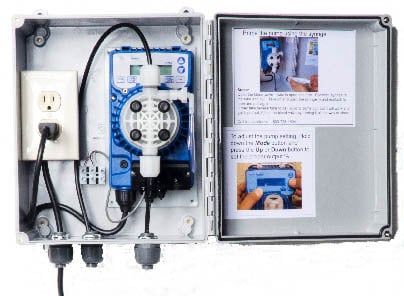
The UAN32 is available across the market and the application rate is 2 to 4 gallons per acre, and the price is $12 to $18 per gallon in drums or totes. UAN32 is the lowest priced nitrogen on the planet.
Then, add humic acid to the fertilizer blend, which is a special organic carbon. Humic acid is a magic soil amendment. It enriches the soil, promotes the soil health, and releases nutrients tied up in the soil, like phosphorus, and releases sodium to flush out of the soil.
Phosphorus is the most expensive nutrient, and most sports field soils have phosphorus, but it’s tied up not available. So, most sports field managers add more phosphorus, which is crazy and expensive. Humic acid gives you free phosphorus.
So, the solution and budget for any struggling sports field is to add fertigation and fertilizer with a blend of UAN32 + humic acid. The fertilizer program would cost $30 to $80 per acre per month and a small fertigation system for one to four fields would cost $2,000 to $3,500.
This program would give you the best fields in your area and you can save over $10,000 per field annually.
It sounds crazy, but we did it many times, like for Joe Ciancio, Facilities and Grounds Division Manager at Eaton Recreation Center in Eaton, Colorado. Joe has the best fields in Colorado and saved a million gallons of water.
Want to know Joe’s story? Watch the video below or speak to Joe directly at (910) 413-0658.